Building a better budget without tracking expenses is simply impossible. To achieve financial stability and freedom, you need to know exactly where your money is going so you can adjust spending and start saving toward real goals.
And if you’re just getting started, don’t worry, there are a few simple methods that make tracking daily expenses much easier than people expect. If you’re also wondering what is a zero based budget, it’s a method that assigns every dollar a job, and it can work really well alongside expense tracking.
Keep reading to learn four practical methods you can use right now to build a better budget (and you can even combine them for better results).
Track Your Spending for 7 Days
If you want a simple way to begin today, do this for one week:
- Pick one method below (don’t overthink it)
- Track every purchase, even small ones
- Label each purchase as a “need” or a “want”
- Review your totals at the end of the week and choose one category to adjust
This quick start alone can show you where your money is really going—and it makes it much easier to learn how to make a budget that actually fits your life.
Why Is Tracking Your Expenses Throughout the Month Important?
A lot of people try to budget by guessing, and that’s usually where budgeting falls apart. Expense tracking gives you real numbers to work with.
Here’s why tracking your expenses throughout the month is important:
- It stops money leaks. Small purchases, subscriptions, and impulse buys add up quickly.
- It makes your budget realistic. You’ll know what you truly spend, not what you hope you spend.
- It helps you plan ahead. Tracking makes it easier to prepare for irregular costs like car repairs, birthdays, and seasonal bills.
Once you can see your spending clearly, building a better budget becomes much more straightforward.
Use These 4 Methods Of Tracking Expenses Easily
1. Regularly Checking Account Statements
One of the simplest ways to start tracking expenses is downloading your checking account and credit card statements at least once a month. If you’re new to budgeting, it helps to look back at the last 2–3 months so you can identify spending patterns.
Start by scanning for errors:
- Duplicate charges
- Incorrect amounts
- Old subscriptions you forgot about
Then identify your two main types of expenses:
- Fixed expenses: rent, insurance, utilities (usually stable month to month)
- Variable expenses: food, clothing, travel, entertainment (these are easier to adjust)
Tip: Highlight your top 5 spending categories, those are your fastest opportunities to improve your budget.

2. Categorizing Your Expenses
A powerful way to organize your budget is dividing spending into needs and wants. While you can sometimes reduce certain “needs,” you’ll usually see faster results by cutting back on “wants.”
Here’s a clear breakdown:
- Needs: expenses you cannot avoid, housing, transportation, insurance, healthcare, groceries, child care. Many people aim for these to stay around 50% of spending.
- Wants: expenses you can live without, but they make life more enjoyable, dining out, event tickets, gym memberships, streaming subscriptions, shopping, and extras. Many people aim for around 30% of spending here, depending on income.
Tip: Start with one “want” to reduce this month (example: dining out twice instead of four times). Small changes add up quickly.
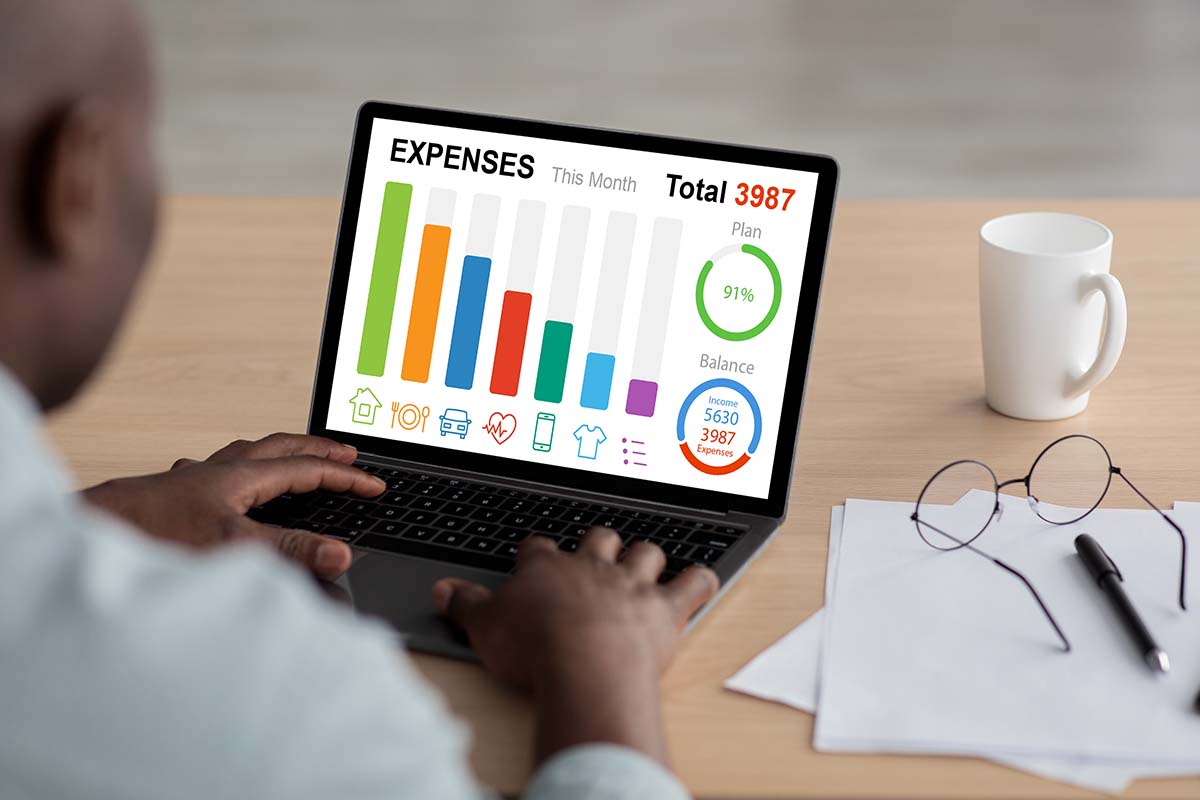
3. Using Expense-Tracking Apps
There are many free apps that can help you record and monitor your daily expenses. These apps are especially helpful if you want to track spending in real time instead of waiting until the end of the month.
Some apps can:
- Sync with your bank accounts
- Categorize purchases automatically
- Send bill reminders
- Help you set savings goals
Tip: Check your app once per day for 60 seconds. Consistency matters more than perfection.
4. Taking Advantage Of The Envelope System
If you prefer using cash, the envelope system can be one of the easiest ways to control spending. At the start of the month (or after you get paid), divide cash into envelopes labeled by category, groceries, gas, entertainment, and so on.
When the envelope gets low, you naturally slow down spending in that category. It’s a simple method that helps keep you accountable.
Tip: Start with just 1–2 categories first (like dining out and entertainment) so it’s easy to maintain.
What If You Have Emergency Expenses?
It can take time to build an emergency fund, even if you’re tracking daily expenses and improving your budget. Unfortunately, unexpected expenses can show up before your savings is ready. That could be sudden travel, medical bills, or important house or car repairs.
When that happens, some people look into an emergency title loan as a short-term option to cover urgent costs and then get back on track.
With us at Southwest Title Loans, you may be able to get approved for a title loan and receive up to $15,000 based on your vehicle’s condition and resale value. The loan uses your vehicle’s lien-free title as collateral.
If you’re wondering how to get a title loan, the process is simple:
- Fill out the quick online form
- Speak with a loan representative by phone
- Schedule an in-person meeting for document review and vehicle inspection
- If approved, complete paperwork and receive your funds
A representative can walk you through the steps so you know what to expect from start to finish.
Start Tracking Your Expenses Easily Today
If you want to get on the path to building a better budget, start tracking your expenses. Once you see your spending clearly, it becomes much easier to make adjustments, set goals, and start saving.
But even the best budget can get thrown off by an unexpected bill. If that happens, don’t panic. Some people use a title loan from Southwest Title Loans to handle urgent costs and get back to normal as soon as possible.
Note: The content provided in this article is only for informational purposes, and you should contact your financial advisor about your specific financial situation.